Enhancing Medical Communication with Professional Healthcare Infographic Assets
In the fast-paced world of medical marketing and health education, clarity is not just a stylistic choice; it is a necessity. Complex data regarding insurance coverage, treatment protocols, or public health statistics often gets lost in translation when presented as dense text. This is where a high-quality Infographic with Healthcare themes becomes an indispensable tool for designers and content creators. By leveraging specialized vector stock illustrations, professionals can transform abstract medical concepts into digestible, visually engaging narratives that resonate with patients, stakeholders, and industry peers alike.
The Strategic Value of Vector-Based Medical Design
When selecting visual assets for healthcare projects, the file format dictates the longevity and versatility of the design. Raster images have their place, but for professional medical design, vector graphics are the industry standard. The availability of an Eps 10 Editable file ensures that the infographic remains crisp and scalable regardless of the final output size. Whether you are designing a small brochure for a clinic waiting room or a massive banner for a medical conference, vector paths maintain perfect edge definition without pixelation.
Beyond mere scalability, the editable nature of EPS files allows for deep customization. Healthcare branding is strictly regulated and highly specific. A generic blue cross might not match a hospital’s exact Pantone color palette. With editable vectors, designers can recolor elements, adjust line weights, and rearrange components to align perfectly with corporate identity guidelines. This flexibility transforms a stock asset into a bespoke communication piece, saving hours of illustration time while maintaining a polished, custom look.
Balancing Technical Precision with Patient Empathy
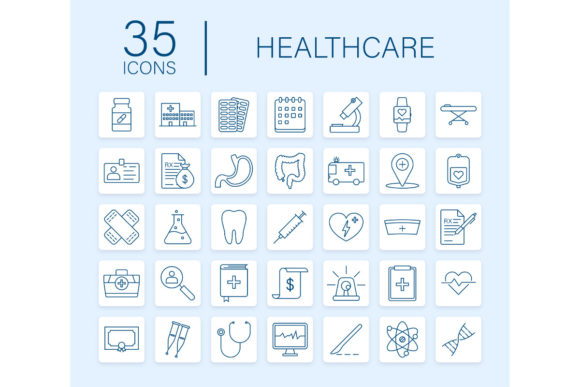
Medical design occupies a unique space where scientific accuracy must coexist with human warmth. An effective Infographic with Healthcare icon sets strikes this delicate balance. Icons serve as cognitive anchors, helping viewers navigate information quickly. However, in a medical context, these symbols must also convey trust and safety. Sterile, overly technical diagrams can alienate patients who are already feeling vulnerable. Conversely, overly cartoonish imagery may undermine the seriousness of medical advice or insurance terms.
Professional stock illustrations designed specifically for this niche understand this nuance. They utilize clean lines, balanced negative space, and universally recognized medical symbolism—such as stethoscopes, shields, hearts, and document icons—to create a sense of authority without intimidation. When integrating these icons into your workflow, consider the emotional tone of your message. Are you explaining a preventive care benefit? Use softer shapes and warmer accent colors. Are you detailing emergency coverage exclusions? Opt for structured, clear, and direct iconography that leaves no room for ambiguity.
Optimizing Visuals for Digital and Print Workflows
Modern healthcare communication is omnichannel. A single campaign might span social media posts, email newsletters, website landing pages, and printed handouts. This reality makes the dual-file delivery system particularly valuable. While the EPS file serves as the master source for print and extensive editing, the included JPG files 300 dpi 3000 pixels provide immediate utility for digital workflows and quick mockups.
A resolution of 300 DPI at 3000 pixels is a significant specification. It provides enough density for high-quality commercial printing while remaining manageable for web use after optimization. For digital designers, starting with a high-resolution JPG allows for rapid prototyping. You can test layout concepts and get stakeholder approval before committing to the more labor-intensive process of editing vector paths. Once approved, you switch to the EPS master for final production. This hybrid approach streamlines project timelines, which is crucial in healthcare environments where information often needs to be disseminated urgently.
- Print Readiness: 300 DPI ensures text and icons remain sharp on physical insurance cards, brochures, and posters.
- Digital Versatility: 3000-pixel width allows for cropping and resizing for various social media aspect ratios without quality loss.
- Workflow Efficiency: Immediate access to raster previews speeds up client presentations and internal reviews.
- Archival Quality: High-resolution masters ensure assets remain usable as display technologies evolve toward higher pixel densities.
Navigating Medical Insurance Visualization
One of the most challenging aspects of healthcare communication is explaining medical insurance. Policies are laden with jargon, tiers, deductibles, and co-pays that confuse even the most literate consumers. A well-constructed Infographic with Healthcare focus acts as a translator. Instead of listing policy details in bullet points, designers can use flowcharts, comparison tables, and icon-driven hierarchies to map out decision trees.
For example, visualizing the difference between in-network and out-of-network providers is far more effective when represented by distinct color-coded pathways rather than paragraphs of legal text. Stock illustrations that include pre-designed insurance motifs—such as umbrellas representing protection, documents with checkmarks, or family groups under shields—provide a visual shorthand. These elements reduce cognitive load, allowing the viewer to grasp the "what" and "why" of their coverage instantly. When designing these materials, always prioritize hierarchy. The most critical information, such as emergency contact numbers or coverage start dates, should be associated with the most prominent icons in the composition.
Practical Considerations for Asset Selection
Before incorporating stock vectors into a medical project, several practical factors warrant consideration. First, verify the semantic relevance of the icons. Medical terminology evolves, and so does visual language. Ensure the Infographic with Healthcare icon set reflects current standards. For instance, outdated representations of medical devices or obsolete insurance forms can inadvertently date your material and reduce perceived credibility.
Secondly, consider accessibility. Healthcare information must be accessible to individuals with visual impairments or color blindness. When using editable EPS files, you have the opportunity to adjust contrast ratios and select color-safe palettes that meet WCAG guidelines. Do not rely solely on color to convey meaning; ensure that patterns, labels, or distinct icon shapes differentiate critical data points. The ability to modify the vector art is what empowers designers to create inclusive content that serves diverse patient populations effectively.
Finally, evaluate the composition's modularity. The best medical infographic assets are not monolithic blocks but collections of interchangeable parts. A versatile stock illustration allows you to extract individual icons for use in app interfaces or slide decks while retaining the full composition for larger formats. This modularity maximizes the return on investment for the asset. By treating the Infographic with Healthcare package as a comprehensive design system rather than a single image, creative teams can maintain visual consistency across dozens of touchpoints, reinforcing brand recognition and trust over time.
Integration into Modern Content Strategies
The role of visual assets extends beyond static design. In today’s content ecosystem, these graphics often serve as the foundation for motion graphics and interactive web elements. The clean separation of layers in an Eps 10 file facilitates animation. Designers can isolate specific healthcare icons to create animated explainer videos that walk users through insurance enrollment processes or treatment journeys. This dynamic application significantly increases engagement rates compared to static text.
Furthermore, search engines and social platforms increasingly favor content that retains user attention. Pages featuring relevant, high-quality infographics tend to have lower bounce rates and longer dwell times. By embedding optimized versions of your 3000-pixel JPGs alongside descriptive alt text and contextual content, you enhance both user experience and SEO performance. The visual asset becomes a functional component of your digital strategy, driving organic traffic while simultaneously educating your audience.
Ultimately, the decision to utilize professional vector stock illustrations is a strategic one. It acknowledges that in healthcare communication, design is not merely decoration—it is a delivery mechanism for vital information. By prioritizing editable formats, high resolutions, and semantically appropriate imagery, organizations can ensure their messages are not only seen but understood, trusted, and acted upon. Whether clarifying complex insurance policies or promoting public health initiatives, the right visual tools make the difference between confusion and clarity.