Evaluating Presentation Template - Caupons for Professional and Creative Use
Selecting the right presentation framework is often a balance between aesthetic appeal and functional utility. For professionals, agencies, and entrepreneurs, the Presentation Template - Caupons represents a specific category of design resources that prioritize versatility over niche specialization. Unlike templates designed exclusively for medical conferences or financial quarterly reviews, Caupons is structured as a multi-purpose asset. It targets a broad spectrum of users, including creative agencies, corporate teams, startups preparing pitch decks, and photographers building portfolios. Understanding where this template fits within the broader ecosystem of presentation tools requires looking beyond the slide count and examining the underlying architecture, customization potential, and practical tradeoffs involved in its implementation.
Core Features and Technical Specifications
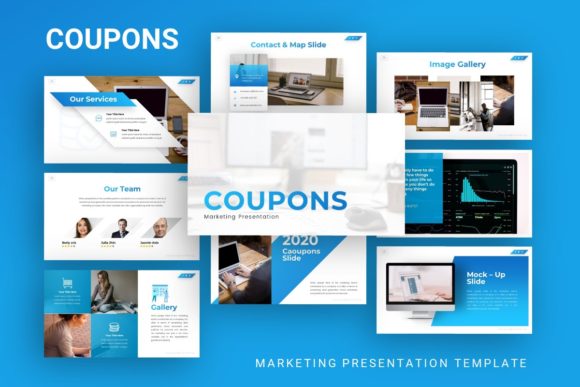
When evaluating any digital asset, technical specifications provide the baseline for comparison. The Presentation Template - Caupons includes 35 unique slides per template variation, which serves as a middle-ground volume. This quantity is generally sufficient to cover comprehensive topics without overwhelming the user with unused layouts. A critical distinction in this template’s construction is its reliance on Master Slides. In PowerPoint development, Master Slides act as the foundational blueprint; changes made here propagate globally across designated slides. This feature significantly reduces the time required for rebranding, as users can alter fonts, color palettes, and logo placement in one location rather than editing individual slides manually.
The inclusion of handcrafted infographics distinguishes this resource from generic alternatives that rely solely on stock photography. These vector-based illustrations are fully resizable and editable, meaning they maintain crispness at any display resolution. For data-heavy presentations, such as marketing reports or startup pitch decks, having native infographic elements eliminates the need to source external assets or hire a designer for custom data visualization. Furthermore, the template utilizes drag-and-drop picture placeholders. This workflow optimization allows users to swap preview images with their own content instantly, streamlining the production process for those who may not possess advanced graphic design skills.
Versatility Across Different Business Verticals
The primary value proposition of Presentation Template - Caupons lies in its adaptability. However, "versatility" can sometimes imply a lack of focus. To determine if this is the right tool, it is helpful to analyze how it performs across specific use cases compared to specialized alternatives.
Creative Agencies and Portfolios
For creative professionals, visual hierarchy and whitespace management are paramount. Caupons offers layouts specifically designed for photography and portfolio showcases. When comparing this to dedicated portfolio platforms or high-end design suites, the template provides a faster route to a polished deck but may lack the interactive web capabilities of modern portfolio sites. It is best suited for client pitches, capability statements, or offline presentations where a static, high-fidelity PDF or PPTX format is preferred over a live website.
Corporate Profiles and Marketing Decks
In corporate environments, consistency and brand adherence are non-negotiable. The Master Slide functionality mentioned earlier makes Caupons a strong contender for internal communications and B2B marketing. While enterprise-grade template systems often come with strict governance plugins, Caupons offers a more flexible, lightweight alternative. It allows marketing teams to produce collateral quickly without waiting for centralized design approval, provided the initial master setup aligns with brand guidelines. The tradeoff here is that it lacks automated compliance checking found in expensive enterprise software, placing the responsibility for brand accuracy on the user.
Startups and Pitch Decks
Startup founders often face the challenge of translating complex business models into digestible narratives. The 35-slide structure of Caupons includes variations suitable for problem-solution frameworks, market sizing, and team introductions. Compared to free online presentation makers, this downloadable template offers greater control over intellectual property and offline accessibility. However, unlike specialized pitch deck services that include narrative consulting, Caupons is purely a visual vessel. Users must supply the strategic content; the template will not assist with storytelling structure or investor psychology.
Comparative Analysis: Strengths and Tradeoffs
No template is universally superior. Making an informed decision involves weighing the strengths of Presentation Template - Caupons against its limitations and available alternatives.
- Customization Depth vs. Ease of Use: Because all graphics are resizable and editable vectors, power users have significant freedom. However, this complexity can be a barrier for novices accustomed to rigid, locked-down templates. If your team lacks intermediate PowerPoint proficiency, the learning curve for modifying handcrafted infographics may offset the time saved.
- Aesthetic Neutrality vs. Niche Specificity: The design language of Caupons is intentionally balanced to suit both corporate and creative needs. This is a strength for organizations with diverse presentation requirements. Conversely, if you require a highly stylized, industry-specific look (e.g., futuristic tech or rustic artisan), a niche template might offer a closer starting point, reducing the amount of customization needed to achieve a distinct vibe.
- Asset Inclusion vs. External Dependencies: The template includes vector icons and documentation, reducing dependency on third-party icon libraries. However, users must note that demo images are for preview purposes only. This is standard practice, but it means the final output's quality depends entirely on the user's ability to source or create high-quality replacement imagery. Templates that bundle licensed stock photos offer a more "out-of-the-box" complete package, albeit often at a higher price point or with restrictive licensing.
- File Format Flexibility: Provided as a .PPTX file, Caupons ensures compatibility with the Microsoft Office ecosystem. For teams operating exclusively in cloud-native environments like Google Slides or Keynote, conversion may result in minor formatting shifts, particularly with complex master slides or vector animations. Native templates for those platforms would offer smoother integration, though often with less sophisticated graphic editing capabilities.
Decision Factors: When to Choose Caupons
Determining whether Presentation Template - Caupons is the appropriate investment depends on your current resources, timeline, and objectives. This template is likely the right choice if you fall into the following categories:
- You Need a Scalable Design System: You anticipate creating multiple types of presentations (internal, external, sales, creative) and want a unified visual language without purchasing separate assets for each.
- You Have Intermediate Editing Skills: You or your team are comfortable navigating PowerPoint’s Slide Master view and manipulating vector shapes. You view the template as a foundation to build upon rather than a finished product.
- Data Visualization is Key: Your presentations frequently involve statistics, processes, or timelines. The included handcrafted infographics provide a professional alternative to standard SmartArt or basic charts.
- Budget Efficiency Matters: You require professional-grade aesthetics but cannot justify the recurring cost of subscription-based design platforms or custom agency fees for every new deck.
Conversely, you should consider alternatives if:
- You Require Zero-Touch Setup: You need a presentation ready in under an hour with no customization. Simpler, pre-filled templates or AI-generated slide builders may serve immediate, low-stakes needs better.
- Your Brand Guidelines Are Rigidly Enforced: If your organization uses automated brand compliance tools integrated into specific enterprise software, introducing an external PPTX template may create friction or require IT vetting.
- You Lack Image Assets: If you do not have access to high-quality photography or illustration resources, the template’s reliance on user-supplied visuals could result in a disjointed final product. Bundled asset packages or stock-subscription-inclusive templates would be safer options.
- Collaboration is Cloud-First: If your entire workflow occurs in real-time on web-based platforms and you rarely use desktop PowerPoint, the conversion risks associated with complex master slides might outweigh the benefits of the premium design.
Practical Implementation Considerations
For those proceeding with Presentation Template - Caupons, maximizing its value requires a strategic approach to implementation. Begin by reviewing the included Documentation File before opening the slides. Understanding the layer structure and master slide relationships upfront prevents accidental deletions or formatting breaks. Establish a "clean" master version with your brand colors and fonts applied globally before duplicating slides for content creation. This ensures consistency and leverages the template’s core efficiency features.
Additionally, treat the 35 slides as a modular library rather than a linear sequence. Not every presentation requires all layouts. Curate a subset of 10–15 slides that best represent your most common communication needs to create a streamlined internal toolkit. This reduces cognitive load during the creation process and maintains a tighter visual identity across outputs.
Ultimately, Presentation Template - Caupons serves as a robust middle-market solution. It bridges the gap between free, generic templates and expensive, custom design work. By offering deep editability, professional infographics, and broad applicability, it supports a wide range of professional activities. Success with this resource depends less on the template itself and more on the user’s willingness to engage with its structural features and integrate it thoughtfully into their existing workflow. Evaluating your specific constraints against the features outlined above will clarify whether this asset aligns with your presentation goals or if a different category of tool would yield better results.