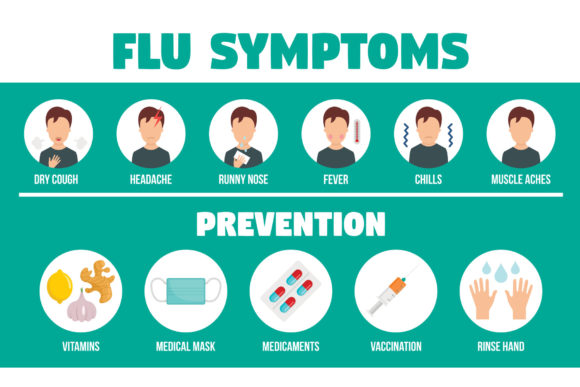
Viral Flu Infographic: Flat Style Design Guide
Communicating complex medical data requires a delicate balance between scientific accuracy and visual accessibility. When designing health-related content, the Viral Flu Infographic, Flat Style serves as an essential bridge between raw epidemiological data and public understanding. Unlike hyper-realistic medical illustrations that can sometimes appear intimidating or overly graphic to general audiences, flat design utilizes clean lines, solid colors, and simplified geometry to convey information efficiently. This aesthetic approach reduces cognitive load, allowing viewers to focus on the message rather than deciphering intricate artistic details. For web designers, marketers, and educators, this specific vector asset provides a versatile foundation for creating materials that are both informative and visually approachable.
Why Flat Design Works for Health Communication
The choice of a flat illustration style for viral flu topics is strategic rather than merely decorative. In user experience (UX) design, flat graphics load faster and scale perfectly across devices, from large desktop monitors to mobile screens. More importantly, the stylistic neutrality of flat vectors helps demystify medical subjects. When explaining symptoms like fever, fatigue, or respiratory distress, abstract representations prevent unnecessary anxiety while maintaining clarity. A Viral Flu Infographic, Flat Style typically employs a cohesive color palette—often utilizing clinical blues, alert reds, and calming greens—to create visual hierarchy without relying on shadows or gradients. This ensures that the infographic remains legible even when resized for social media thumbnails or embedded in dense academic reports.
Navigating File Formats for Professional Workflows
One of the primary advantages of acquiring this specific vector resource is the comprehensive suite of available formats. Understanding when to use each file type is crucial for maintaining workflow efficiency and output quality.
- AI and EPS: These are your master source files. Adobe Illustrator (AI) and Encapsulated PostScript (EPS) formats preserve all vector paths, layers, and editable text. Use these when you need to customize the color scheme to match brand guidelines, adjust anatomical proportions, or combine elements with other assets. They are resolution-independent, making them ideal for large-format printing like conference banners or clinic posters.
- PSD: The Photoshop format is invaluable for designers who prefer raster-based editing or need to integrate the infographic into complex photo composites. While less flexible for reshaping vectors, PSD files often come with pre-organized smart objects, allowing for non-destructive texture overlays or lighting effects that pure vector files cannot achieve.
- PNG: Essential for web and digital presentations. High-resolution PNGs with transparent backgrounds allow you to drop the Viral Flu Infographic, Flat Style directly onto colored website sections or slide decks without worrying about white boxes. Always ensure you export at 2x resolution for retina displays to maintain crisp edges.
- JPG: Best reserved for quick previews, email newsletters, or platforms that do not support transparency. Because JPG is a lossy format, avoid using it for text-heavy infographics where compression artifacts might render small labels illegible.
Practical Applications Across Industries
The utility of this asset extends far beyond generic health blogs. Different sectors leverage these flat-style vectors to solve specific communication challenges. Recognizing these use cases helps professionals maximize the return on their creative assets.
Corporate Wellness and HR Communications
Human resources departments frequently update internal policies regarding sick leave and workplace hygiene. A dense PDF policy document often goes unread, but a visually engaging infographic posted on an intranet or breakroom wall drives compliance. Using a Viral Flu Infographic, Flat Style, HR teams can illustrate proper handwashing techniques, mask-wearing protocols, or symptom checklists in a way that feels modern and respectful. The flat aesthetic aligns well with contemporary corporate branding, avoiding the sterile look of government-mandated signage while still conveying authority and care.
Educational Materials and Public Awareness
Educators and public health officials face the challenge of teaching virology basics to diverse age groups. Flat illustrations simplify complex biological processes, such as viral replication or immune response, into digestible visual metaphors. For school nurses or community health workers, these graphics serve as excellent teaching aids during workshops or parent-teacher meetings. The lack of gruesome detail makes the content appropriate for younger audiences or sensitive individuals, while the structured layout supports step-by-step learning. Furthermore, because these are vector-based, educators can isolate specific icons—like a thermometer or a virus particle—to create custom flashcards or worksheet activities.
Digital Marketing and Content Creation
Health-tech startups, insurance providers, and telemedicine platforms rely heavily on visual content to engage users. In a crowded digital landscape, a polished Viral Flu Infographic, Flat Style increases dwell time and shareability. Marketers can repurpose a single comprehensive infographic into multiple carousel posts for LinkedIn or Instagram, breaking down flu prevention tips into bite-sized slides. The consistent visual language builds brand recognition over time. Additionally, alt-text descriptions of these flat graphics improve SEO and accessibility, signaling to search engines that the page contains valuable, structured health information.
Customization and Implementation Best Practices
Owning the asset is only the first step; effective implementation requires thoughtful adaptation. Simply dropping a stock template onto a page rarely yields professional results. Consider these practical recommendations when integrating this infographic into your projects.
Maintain Visual Consistency: If your website uses a specific stroke weight or corner radius, modify the vector file to match. A Viral Flu Infographic, Flat Style should feel native to your design system, not pasted on. Adjust the line thickness and icon proportions to harmonize with existing UI elements.
Prioritize Accessibility: Flat design can sometimes suffer from low contrast. Ensure that text labels against colored backgrounds meet WCAG AA standards. When using the infographic on the web, provide a full text transcript or detailed alt text so screen reader users receive the same information as sighted visitors. Never encode critical text solely within the image file; keep it as live HTML whenever possible for better indexing and readability.
Verify Medical Accuracy: While flat design simplifies visuals, it must not distort facts. Before publishing, have a subject matter expert review the modified infographic. Ensure that symptom illustrations accurately represent clinical presentations and that statistical data visualized in charts reflects current CDC or WHO guidelines. A beautiful but inaccurate infographic damages credibility and can spread misinformation.
Optimize for Context: Tailor the complexity of the infographic to the platform. A detailed version with extensive annotations works well for a downloadable patient guide or a blog post dedicated to flu season preparation. Conversely, a stripped-down version highlighting only three key takeaways performs better in an email header or a waiting room TV display. The flexibility of AI and EPS formats makes creating these variants efficient, allowing you to maintain a unified visual identity across different touchpoints.
Evaluating Quality Before Acquisition
Not all vector assets are created equal. When selecting a Viral Flu Infographic, Flat Style, inspect the file structure before purchase or download. Well-crafted vectors feature organized layer groups, named paths, and minimal anchor points. Messy files with hundreds of unnecessary nodes will be frustrating to edit and may cause rendering issues in certain software. Check if the typography is outlined or editable; editable text saves hours of manual retyping, provided you have the required fonts. Finally, verify the licensing terms carefully. Commercial use for healthcare products or monetized content often requires specific permissions. Investing time in evaluating these technical and legal details upfront prevents costly revisions or compliance issues later in your project lifecycle.